The Psychology of Gamification: How Games Make Personal Growth Fun
Explore the science behind why gamification works for habit formation and how you can use game mechanics to achieve your goals.
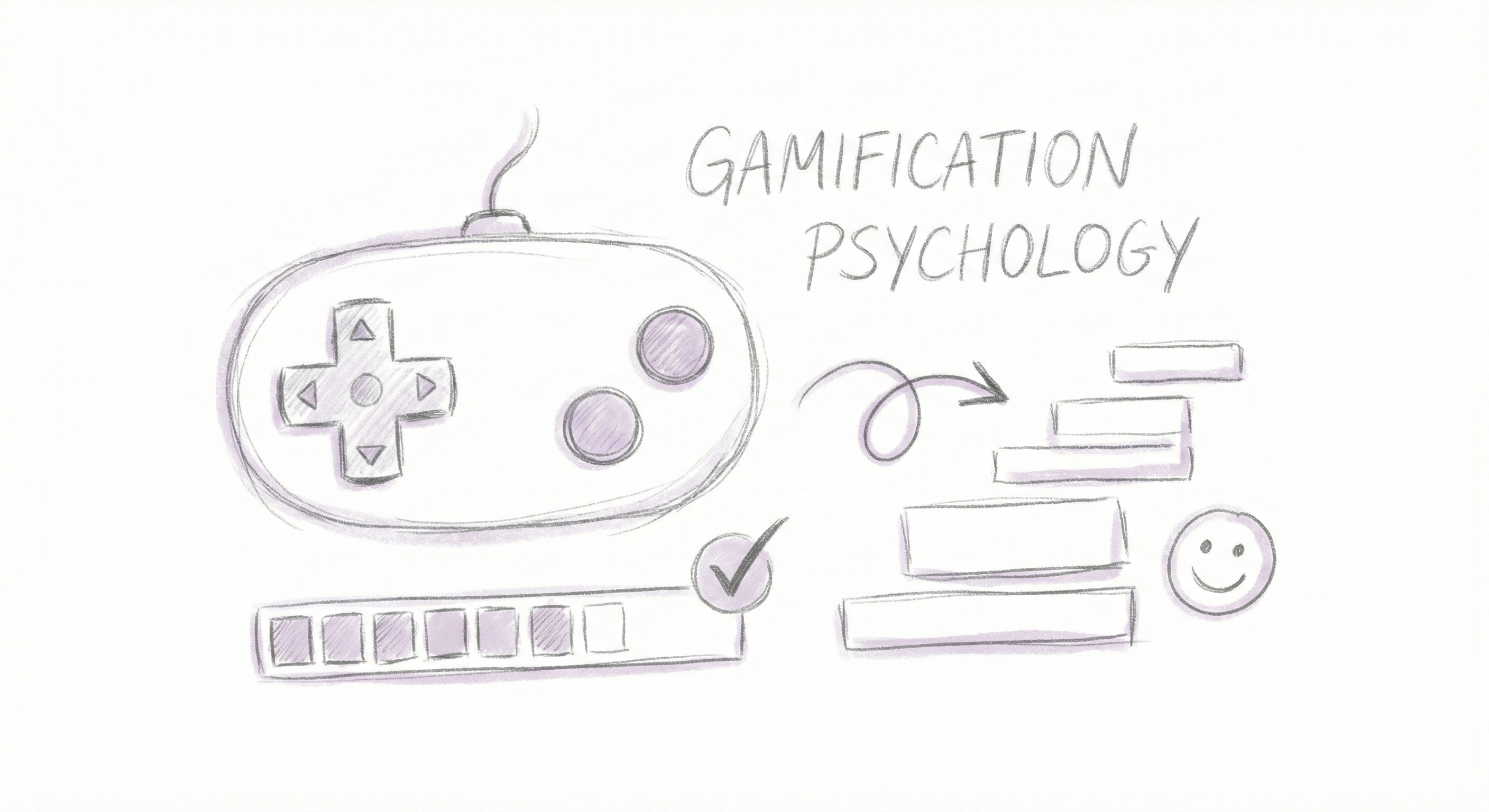
Why We Can't Stop Playing
Think about the last time you played a video game. Maybe it was a puzzle game on your phone, or a console game that kept you up way too late. What made you keep playing? The answer lies in how games tap into fundamental aspects of human psychology.
Games are designed to activate our brain's reward system in ways that everyday tasks often don't. They provide clear goals, immediate feedback, a sense of progress, and most importantly—they make us feel competent. This isn't manipulation; it's understanding what humans naturally find motivating.
The Core Mechanics That Drive Motivation
1. Progress Visualization
When you can see your progress, you're more likely to continue. Games excel at this with XP bars, levels, and achievement counters. Your brain releases dopamine not just when you complete a goal, but when you see yourself getting closer to it. This is why habit tracking works—each check mark is a small dopamine hit that reinforces the behavior.
2. Achievable Challenges
Games maintain what psychologists call "flow state" by keeping challenges just difficult enough to be engaging, but not so hard that they're frustrating. When tasks feel doable but meaningful, we're more likely to stay engaged. This is why breaking large goals into smaller quests works so well.
3. Immediate Feedback
In games, you know instantly whether you succeeded or failed. Compare this to real-world goals like "get healthier" where feedback is delayed and ambiguous. Gamification brings that immediacy to everyday actions, making the connection between action and outcome crystal clear.
The Psychology of Points and Rewards
XP points, badges, and streaks aren't just arbitrary numbers—they're external representations of your effort and progress. Research in behavioral psychology shows that these extrinsic rewards can actually enhance intrinsic motivation when designed properly.
The key is that the rewards must feel meaningful and be tied to genuine accomplishment. This is why earning 50 XP for completing a real-world quest feels satisfying, but arbitrary points for logging in don't create lasting motivation. The difference is authenticity.
Why Traditional Habit Trackers Fall Short
Most habit tracking apps make a critical mistake: they focus on monitoring rather than motivating. They give you a checklist and expect willpower to do the rest. But willpower is a limited resource, and checklists are boring.
Effective gamification doesn't just track habits—it makes the process of building them inherently rewarding. Instead of "Did you exercise today? Yes/No," it becomes "Quest: Take a 10-minute adventure walk in your neighborhood" with context, purpose, and a sense of discovery.

Experience Gamification Done Right
Sidequest combines proven game mechanics with real-world habit building. Earn XP, unlock achievements, and build streaks—all while creating lasting positive change.
The Social Element
Multiplayer games are more engaging than solo ones for a reason: humans are social creatures. When we share our progress with others, accountability increases and success feels more meaningful. This is why fitness apps with social features see higher engagement rates.
But there's a balance. Public leaderboards can demotivate as much as they motivate, especially for beginners. The best gamification creates opportunities for social connection without forcing competition that makes people feel inadequate.
Designing Your Own Quest System
You don't need an app to apply gamification principles to your life. Start by reframing your goals as quests. Instead of "I should exercise more," try "Complete 3 movement quests this week." Give yourself points for completion. Track your streak. Create achievement milestones.
The key is making it playful without making it childish. You're not pretending to be a fantasy hero (unless that works for you!). You're using proven psychological principles to make positive behaviors more rewarding and sustainable.
The Science Backs It Up
Studies on gamification in education, fitness, and workplace productivity consistently show increased engagement and better outcomes. A meta-analysis of gamification research found that properly designed game elements can increase motivation by up to 48% and task completion rates by 34%.
But the research also shows that poorly implemented gamification can backfire. Generic badges and arbitrary points don't work. The game mechanics must be meaningful, tied to genuine progress, and aligned with what psychologists call "self-determination theory"—our need for autonomy, competence, and relatedness.
Making It Work Long-Term
The ultimate goal of gamification isn't to make you dependent on external rewards forever. It's to make positive behaviors feel natural and enjoyable until they become genuine habits. The XP and achievements are training wheels—eventually, the intrinsic satisfaction of the behavior itself becomes the reward.
Think of gamification as a bridge. It helps you cross from "I should do this" to "I want to do this" by making the journey more engaging. Once you're on the other side, you might not need the game elements anymore. Or you might keep them because they make life more fun. Both outcomes are valid.
The question isn't whether gamification works—it's whether you're ready to make personal growth feel like play.
Ready to turn your goals into quests?
Start Your Adventure for $0.99